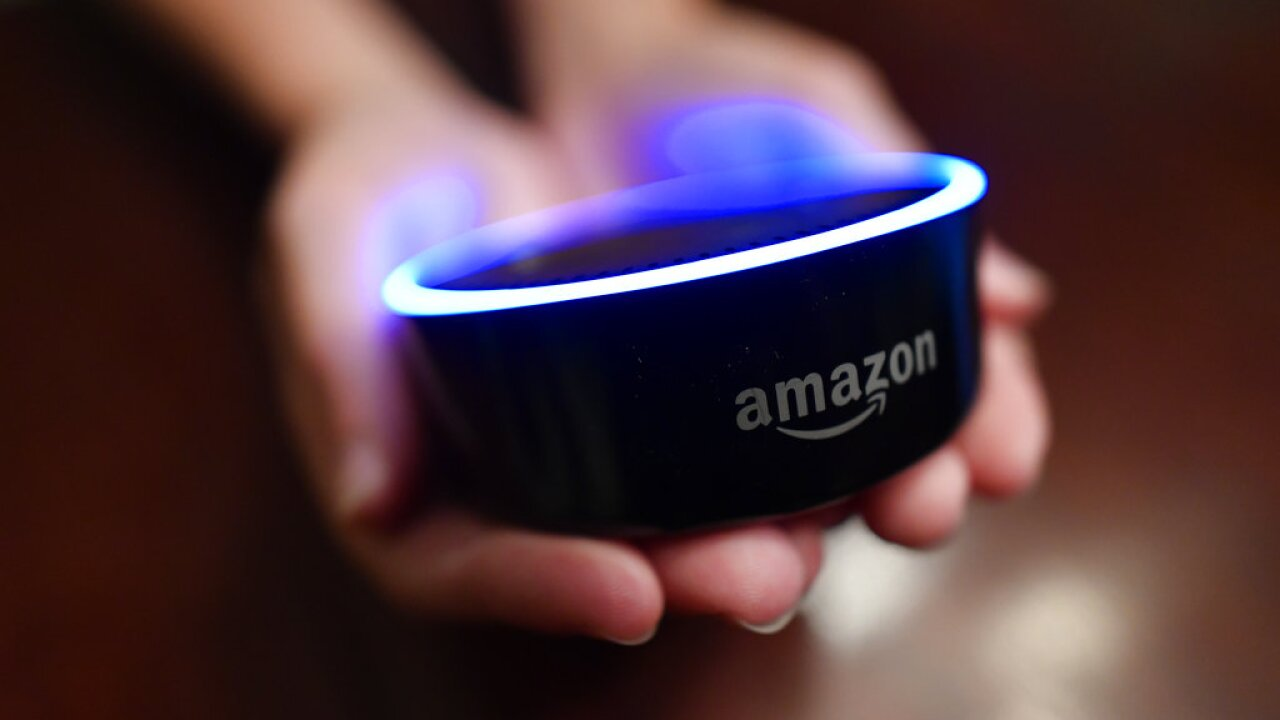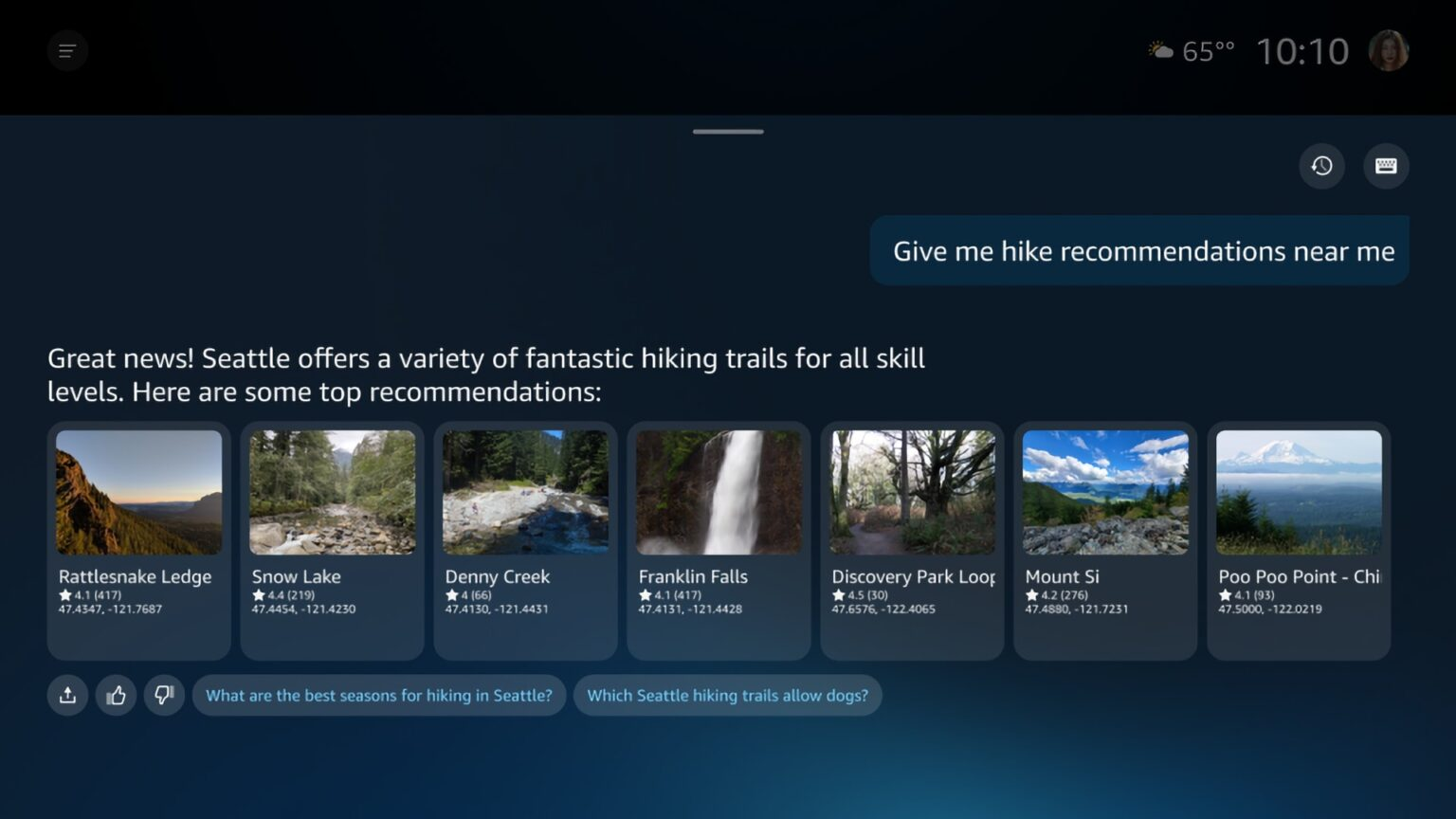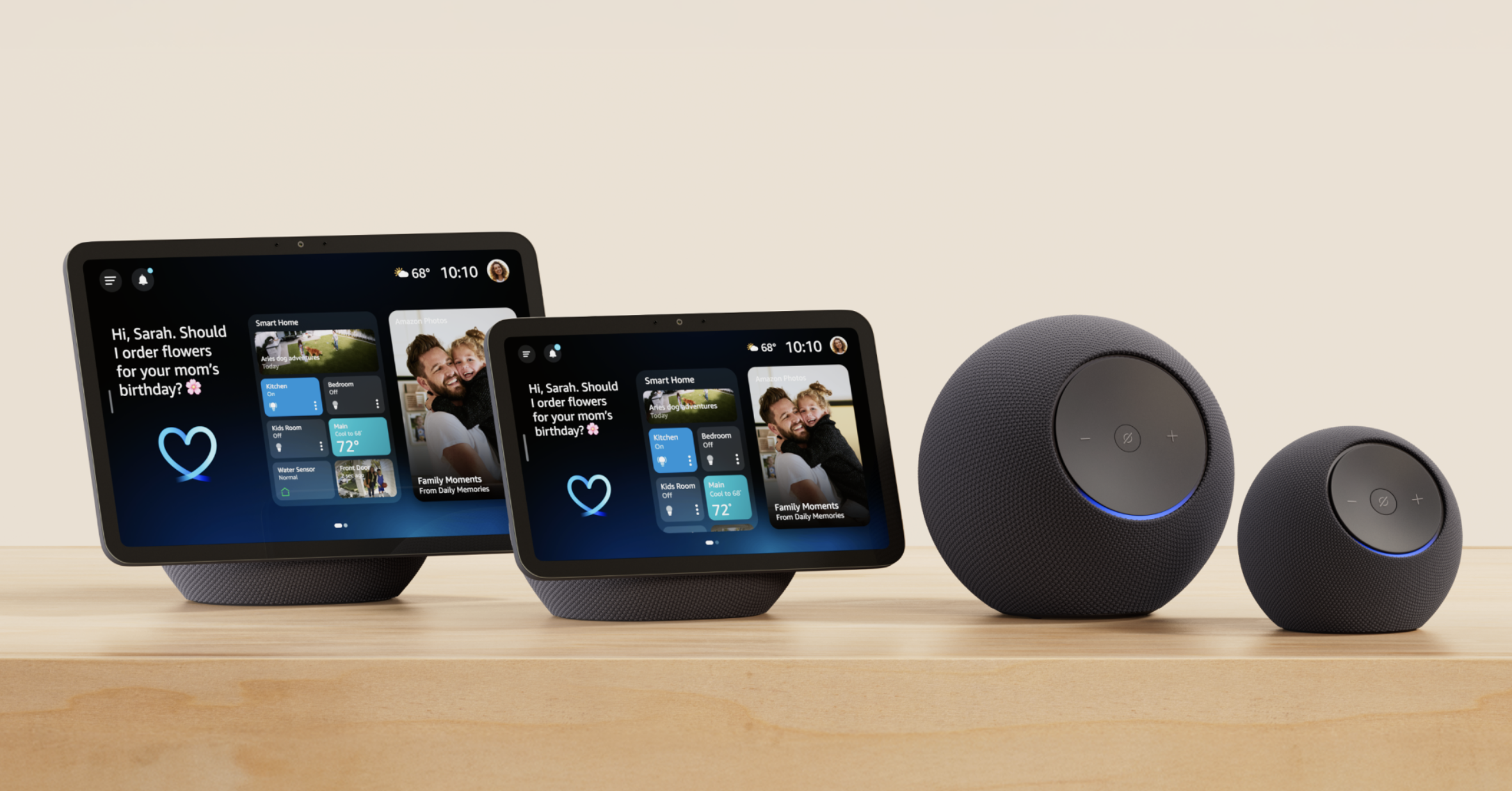
Alexa new conversation styles have revolutionized the way users interact with their voice assistant, making engagements far more personalized and enjoyable. Recently unveiled by Amazon, these innovative styles—brief, sweet, and chill—allow users to select how they want Alexa to respond, offering a unique twist on typical voice assistant interactions. This update caters to diverse preferences, aligning perfectly with current voice assistant trends and setting Alexa apart from competitors like ChatGPT. By providing different personality styles, Amazon enhances the user experience, ensuring that each conversation feels tailored and relevant. Whether you prefer concise answers, a warm tone, or a casual chat, Alexa makes it easy to customize your interactions for better satisfaction.
The recent enhancements to Alexa introduce a remarkable shift in how voice technology communicates with users. By allowing personalized conversational tones, Amazon taps into the essence of user-centered design in technology, making dialogues more engaging and less robotic. These updates reflect broader trends within digital assistants aimed at enhancing emotional connectivity, a fundamental aspect often discussed in comparisons like ChatGPT. Users now have the freedom to choose how their assistant expresses itself, creating a more dynamic and enjoyable atmosphere during interactions. Overall, this evolution in conversational modes speaks to a growing demand for personality in tech offerings, allowing every user to find their perfect match in voice assistant services.
Exploring Alexa’s New Conversation Styles
Amazon’s recent launch of three new conversation styles for its Alexa+ assistant marks a significant evolution in voice interaction technology. Users can now choose from ‘brief’, ‘sweet’, and ‘chill’ styles, allowing for a more personalized communication experience that mirrors different aspects of human conversation. This enhancement not only reflects the latest trends in voice assistant technology but also sets a new standard for user engagement by ensuring interactions are more aligned with individual preferences.
The introduction of these personality styles represents more than just a cosmetic change; it underscores Amazon’s commitment to enhancing the user experience by tailoring responses to match the user’s emotional state and interaction style. Each personality captures a unique tone—where the ‘brief’ style aims for efficiency, the ‘chill’ style promotes a relaxed dialogue, and the ‘sweet’ style aims to create a warm interaction. This strategic move signals a response to the demand for more human-like interactions in voice technology.
Understanding the Impact of Alexa Personality Styles
The three personality styles introduced by Amazon are not merely stylistic choices; they embody various dimensions of interaction that users can select based on their mood or the context of their requests. For instance, if a user prefers direct information without embellishments, the ‘brief’ style serves that need perfectly. Conversely, for those seeking a more engaging interaction, the ‘sweet’ style can make receiving information feel more pleasurable and less transactional.
Moreover, Amazon’s investment in developing Alexa’s personality styles reflects ongoing voice assistant trends that emphasize greater emotional resonance and relatability. By integrating these diverse personalities, Alexa+ enhances its usability, making it a competitive option when compared to other AI-driven assistants like ChatGPT, where conversational tones also play a crucial role in user satisfaction and engagement.
As voice technology continues to evolve, the ability to choose an Alexa personality style according to the user’s preference is a major step forward. This approach not only boosts the assistant’s functionality but also fosters a deeper connection with users, paving the way for future innovations in voice interaction. This personalization aspect is likely to increase user retention and satisfaction, making voice assistants not just tools, but companions in daily tasks.
How to Use Alexa’s New Conversation Features
Using the new conversation styles in Alexa+ is straightforward and user-friendly. To experience these new personality options, users can either vocally command Alexa by saying, “Alexa, change your personality style,” or navigate through the Alexa mobile app to select their desired option. This flexibility showcases Amazon’s understanding of user dynamics, where some people prefer voice commands over screen interactions or vice versa.
The effectiveness of these new styles hinges on seamless accessibility. For Amazon Prime subscribers, access to Alexa+ is complimentary, and for others, there is an affordable monthly fee of $19.99. This pricing strategy is designed to broaden the user base while ensuring that enhanced conversational capabilities are within reach. As more users adopt these features, it will be interesting to see how their interactions with Alexa evolve and what new requests might emerge from the improved conversational experience.
Comparing Alexa+ and ChatGPT: A New Paradigm in Conversational AI
Both Amazon’s Alexa+ and OpenAI’s ChatGPT are at the forefront of the conversational AI revolution, offering distinct interaction styles that cater to different user needs. While Alexa+ now provides options like ‘brief’, ‘sweet’, and ‘chill’, ChatGPT has its own variations of responses that can adapt based on user prompts. This comparison highlights the adaptability of conversational AI, as both platforms aim to enhance user engagement through personalized interaction.
However, there are notable differences in function and approach. Alexa+ serves primarily as a voice-activated assistant designed for practical tasks and everyday inquiries, while ChatGPT is more focused on generating conversational responses that can vary widely in complexity and tone depending on the user’s prompts. As such, the incorporation of customizable voice styles in Alexa represents a shift towards creating a more context-aware and emotionally intelligent assistant, setting it apart in a marketplace that increasingly values user-driven interaction.
The Future of Voice Assistants: Trends to Watch
The introduction of customizable conversation styles for Alexa+ symbolizes a broader trend in the development of voice assistants, emphasizing emotional intelligence and user personalization. Users today seek more than just functionality; they want their digital assistants to reflect their preferences, moods, and personalities. As more companies invest in enhancing voice technology’s capabilities, we can expect to see an increase in the sophistication of conversational styles and emotional responsiveness.
Additionally, as advancements in AI continue, the integration of features like those offered by Alexa and ChatGPT will likely lead to a new wave of voice assistant trends that prioritize human-like interaction. Future updates are expected to refine these styles further and could introduce new variables for user personalization, such as contextual awareness that adjusts responses based on the user’s history and preferences. This evolving landscape promises to create richer, more interactive experiences with voice technology.
Maximizing User Experience with Alexa+
To truly make the most of the new conversation styles in Alexa+, users should experiment with each personality style to determine which one resonates best with their daily interactions. This exploration can greatly enhance the user experience, whether the user is tidying up with brief commands or seeking an emotionally reassuring exchange through the sweet style. By optimizing interactions around user preference, each engagement can become a moment of enjoyment rather than a mere transaction.
Furthermore, Amazon has designed these personality styles to be compatible with multiple Alexa voices, allowing users to customize not just how Alexa communicates, but also how they perceive the assistant’s personality. Embracing this level of personalization can foster a deeper connection, as users will always interact with a voice assistant that feels uniquely theirs.
Voice Assistant Engagement: The Role of Personality Styles
The role of personality styles in voice assistants like Alexa+ is pivotal for enhancing user engagement. By allowing users to select from various conversational tones, Amazon encourages users to immerse themselves more deeply in their interactions. This level of involvement can lead to higher satisfaction rates as users feel a stronger affiliation with their voice assistants, boosting loyalty and ongoing usage.
In this context, personality styles function not only as a means of communication but also as a bridge connecting technology and human emotions. By responding with warmth in the ‘sweet’ style or efficiency in the ‘brief’ style, Alexa+ engages users on a level that is more relatable, ultimately transforming routine tasks into more enjoyable exchanges.
The Technology Behind Alexa’s Personality Changes
Behind the scenes, the development of Alexa’s new personality styles integrates various psychological and behavioral insights into its programming. Amazon’s approach included five key variables: expressiveness, emotional openness, formality, directness, and humor. This advanced framework allows for nuanced interactions that cater to diverse user expectations and emotional needs.
Such a technological enhancement is not just about creating different voices but transforming the way users relate to their assistant. The thoughtful calibration of responses ensures that users receive replies tailored to their emotional or contextual circumstances, thereby promoting a richer interactive ecosystem that thrives on personalization and familiarity.
Personalization in Voice Assistant Design
Personalization is at the heart of modern voice assistant design, and Amazon’s Alexa+ exemplifies this philosophy through its new personality styles. By allowing users to choose how they want Alexa to communicate, Amazon recognizes that user preferences play a significant role in the satisfaction of voice interactions. This approach not only builds a stronger bond between the user and the assistant but also fosters a unique experience that feels customized and attentive.
As future developments continue to shape the landscape of voice technology, the emphasis on personalization will likely become even more pronounced. The integration of advanced AI, alongside user-driven modifications like those seen in Alexa+, indicates a trend where voice assistants may soon learn and adapt more organically to the preferences of their users, further blurring the lines between technology and personalized engagement.
Frequently Asked Questions
What are the new conversation styles for Alexa?
Amazon has introduced three new conversation styles for its Alexa assistant: ‘brief’, ‘sweet’, and ‘chill’. These styles allow users to choose how they want Alexa to communicate with them, fitting their personal preference in interaction.
How do the new Alexa personality styles differ from previous versions?
The new Alexa personality styles differ by focusing on how responses are delivered. The ‘brief’ style offers short, direct answers, the ‘chill’ style makes interactions feel relaxed, and the ‘sweet’ style engages users with warmth and enthusiasm, enhancing the overall conversational experience.
Can I customize Alexa’s conversation styles?
Yes, you can customize Alexa’s conversation styles. Simply say, ‘Alexa, change your personality style,’ or select your preferred style in the Alexa mobile app to adjust how the assistant interacts with you.
Are the new conversation styles for Alexa available to everyone?
The new conversation styles for Alexa are widely available in the US. Alexa+ is free for Prime subscribers, while others can access it for $19.99/month.
What impact do the new Alexa conversational styles have on user experience?
The new Alexa conversational styles enhance user experience by allowing for tailored interactions. Depending on your mood or preference, Alexa can respond in ways that feel more suited to your desired conversational tone, making the assistant more engaging and relatable.
How do the new Alexa voice assistant trends compare to ChatGPT?
Both Alexa’s new conversation styles and ChatGPT offer varied responses based on interaction style preferences. While Alexa focuses on tone and delivery with options like ‘brief’, ‘sweet’, and ‘chill’, ChatGPT emphasizes context and conversational depth, showcasing how AI is evolving in terms of communication.
What variables were considered in developing Alexa’s new personality styles?
Amazon utilized five interconnected variables: expressiveness, emotional openness, formality, directness, and humor. These factors contribute to the distinct flavors of the new Alexa personality styles, ensuring a unique interaction experience.
How do I experience the different Alexa conversational styles?
To experience the different Alexa conversational styles, you can either voice command, ‘Alexa, change your personality style,’ or manually select a style through the Alexa mobile app, giving you a chance to explore each option.
Is there a cost associated with using Alexa’s new conversation styles?
Access to the new conversation styles comes at no additional cost for Amazon Prime subscribers. For non-subscribers, there is a monthly fee of $19.99 for the Alexa+ experience.
What kind of responses can I expect with each of Alexa’s new personality styles?
Expect shorter, more efficient responses from the ‘brief’ style, conversational and relaxed interactions from the ‘chill’ style, and warm, enthusiastic replies from the ‘sweet’ style, ensuring a diverse interaction depending on your selected preference.
| Conversation Style | Description |
|---|---|
| Brief | Provides shorter, more direct responses without small talk. |
| Sweet | Responds with genuine warmth and enthusiasm. |
| Chill | Makes interactions feel conversational and breezy. |
Summary
Alexa new conversation styles offer a personalized way to interact with Amazon’s assistant, enhancing user experience by providing different tones: brief, sweet, and chill. Whether you’re looking for efficiency or warmth in your conversations, these styles do not alter Alexa’s capabilities but instead allow users to choose a tone that fits their preference. Each style is crafted to create unique interactions, making your smart home assistant feel even more like a part of your daily life.